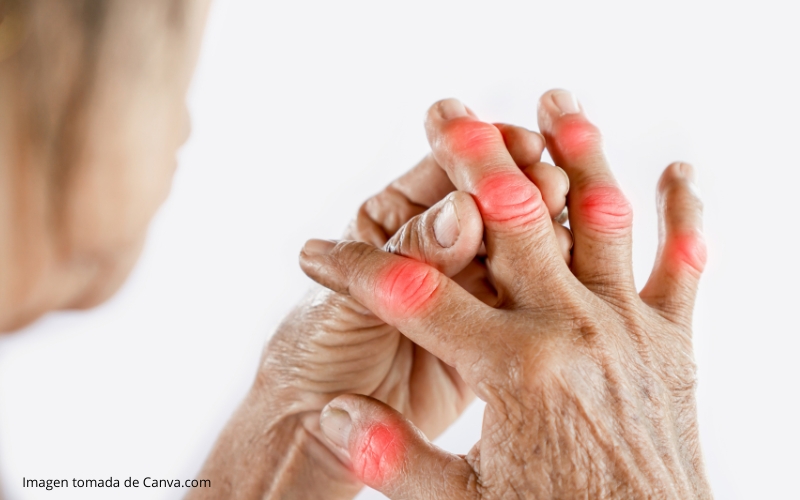
Joint pain is a common problem that can affect people of all ages. It can be caused by a variety of factors, such as arthritis, injury, overuse and autoimmune diseases. While there is no cure for joint pain, there are many treatments available to help control pain and improve function.
Treatment options:
Rest and activity modification: It is important to avoid activities that aggravate joint pain. This may include getting extra rest, wearing a splint or bandage, or using a cane or walker.
2. Medications: There are a variety of medications available to help relieve joint pain, including:
- Over-the-counter pain relievers: such as acetaminophen (Tylenol) or ibuprofen (Advil, Motrin)
- Nonsteroidal anti-inflammatory drugs (NSAIDs): such as naproxen (Aleve) or celecoxib (Celebrex)
- Corticosteroids: These powerful drugs can be injected directly into the joints or taken by mouth.
- Arthritis medications: These medications, such as glucosamine and chondroitin, can help improve joint function and reduce pain.
3. Physical therapy: A physical therapist can teach you exercises to strengthen the muscles around sore joints and improve your range of motion.
4. Occupational therapy: An occupational therapist can help you find ways to do your daily activities without aggravating joint pain.
5. Application of heat or cold: Applying heat or cold to the sore joint may help reduce pain and inflammation.
6. Injections:
- Steroid injections: Corticosteroids are injected directly into the joint to reduce inflammation and pain.
- Hyaluronic acid injections: This liquid is injected into the joints to lubricate and cushion them.
7. Surgery: In some cases, surgery may be an option to repair joint damage or replace a damaged joint.
General recommendations:
- Maintain a healthy weight: Excess weight puts pressure on joints and can worsen joint pain.
- Exercise regularly: Exercise can help strengthen the muscles around your joints and improve your range of motion.
- Eat a healthy diet: A healthy diet can help maintain a healthy weight and provide your body with the nutrients it needs to keep your joints healthy.
- Avoid smoking: Smoking can worsen joint pain and hinder recovery from injuries.
It is important to talk to your doctor about the best treatment for your joint pain. The doctor will evaluate your condition and prescribe the most appropriate treatment for you.
Here are some additional resources that may be useful:
- Artritis y Reumatología Mexicana A.C.: https://reumatologia.org.mx/
- Mexican Society of Rheumatology: https://reumatologia.org.mx/
- National Institute of Arthritis and Musculoskeletal and Skin Diseases: https://www.niams.nih.gov/
I hope you find this information helpful. Remember that you are not alone and there are many treatments available to help you manage joint pain and improve your quality of life.