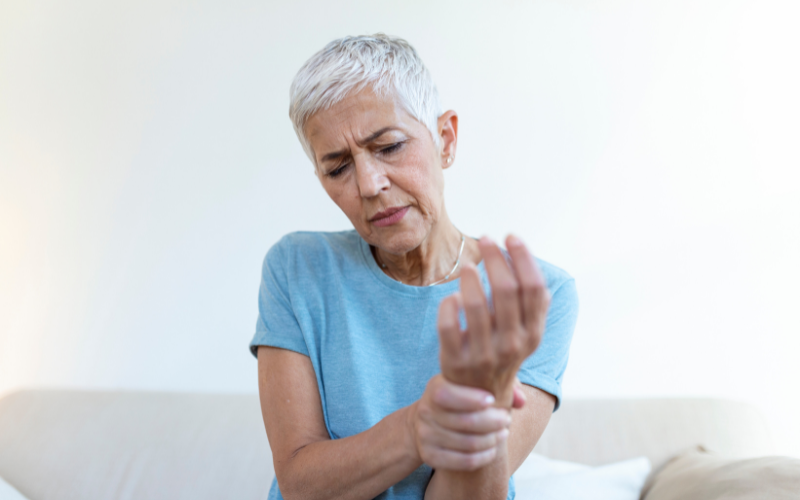
Knee osteoarthritis is a common condition affecting millions of people worldwide, and is especially prevalent as we age. It is characterized by “wear and tear” or degeneration of the cartilage lining the knee joints, resulting in pain, swelling and stiffness. Why does this happen? Well, cartilage acts as a natural shock absorber in joints, so it should be elastic and resilient (but has few blood vessels to ensure timely repair after repeated minor trauma) although with time and overuse, it can wear down, leading to osteoarthritis. Cartilage is maintained by several factors including sex hormones (estrogen and testosterone) and oxygen and nutrients from blood vessels. With the passage of time these factors are limited due to the degeneration of blood vessels and the processes of menopause and andropause. All of the above causes the cartilage in the joints to degenerate, especially in the knees, hips and shoulders.
It is important to know the risk factors for osteoarthritis of the knee, as some of them may be modifiable. Age (mainly women over 50 and men over 60), genetics (it is more frequent if there are people in the family who have suffered from osteoarthritis), sex (women are more prone), obesity and previous knee injuries. All of the above are factors that increase the risk of osteoarthritis. Therefore, your doctor will always recommend that you avoid being overweight and sedentary, as these are the main risk factors that can be controlled by regular physical activity.
The most common symptoms of osteoarthritis of the knee include pain (mainly walking uphill or on stairs), stiffness (mainly in the early morning hours), crunching in the joint and difficulty moving. These symptoms can significantly affect the quality of life of those who suffer from it.
While osteoarthritis of the knee is not always preventable, there are some strategies that can help reduce the risk and delay its progression. Maintaining a healthy weight, exercising regularly, strengthening knee muscles and avoiding activities that place excessive stress on the joint are key steps to preventing osteoarthritis or reducing its impact.
This is where our specialized pain relief center can help you improve your quality of life. Several treatment options are available to help people with osteoarthritis of the knee. These may include lifestyle changes, physical therapy, prescription of sports activity, medications, use of analgesic blocking techniques, radiofrequency, regenerative treatment and, in some cases, surgery.
Anti-inflammatory and analgesic medications can relieve pain and reduce inflammation.
Physical therapy can strengthen the muscles around the knee and improve joint function.
Support devices, such as knee braces, can provide additional stability.
Analgesic block procedures use small needle punctures, guided by sophisticated imaging devices, to interrupt the conduction of nerve fibers that transmit pain information to the brain, and even override them for some time, so that the patient can improve adherence to rehabilitation programs. Factors that promote joint regeneration can also be injected, including devices that improve tissue oxygen availability (such as a hyperbaric oxygenation chamber) to improve tissue conditions and thus pain.
In severe cases, surgery, such as knee arthroplasty, may be necessary to replace the damaged joint.
In addition to medical treatment, there are practical tips that can help people manage the pain of osteoarthritis of the knee in their daily lives. These include the importance of staying active, but avoiding high-impact activities, wearing appropriate footwear, and considering stress management techniques, such as meditation, to reduce emotional tension that can aggravate pain.
In summary, osteoarthritis of the knee is a common condition that can cause pain and limit mobility. However, with proper treatment, medical support and lifestyle changes, it is possible to relieve pain and improve quality of life. If you or someone you know is dealing with the pain of knee osteoarthritis, don’t hesitate to seek the help of our professionals. Hope and help are available. At CEAD we see pain as an opportunity to restore your well-being. Let us help you.