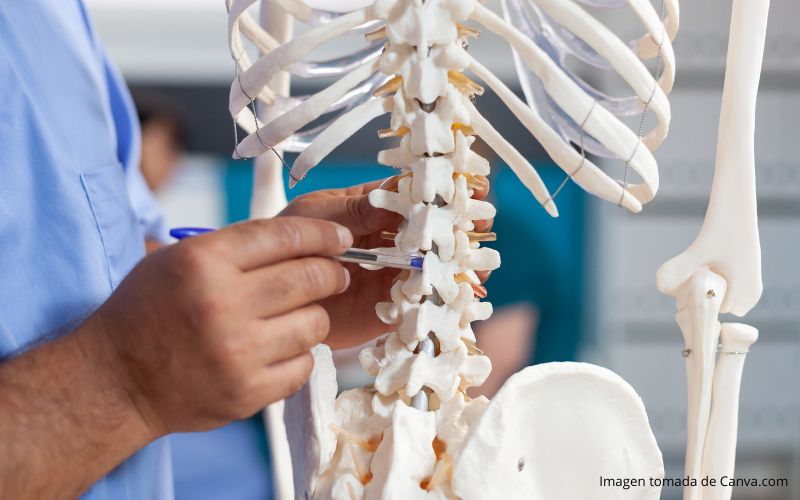
Reflex spasticity is a type of spasticity, a disorder of the nervous system that causes involuntary muscle stiffness. In this case, the stiffness is exacerbated in response to external stimuli or changes in posture, such as stretching or rapid movements.
What causes reflex spasticity?
Reflex spasticity is usually caused by an injury to the part of the brain or spinal cord that controls voluntary movement. This injury disrupts communication between the brain and muscles, leading to hyperactivity of muscle reflexes.
Symptoms of reflex spasticity:
Muscle stiffness: Muscles feel tight and difficult to move.
Muscle spasms: Sudden, involuntary muscle contractions.
Increased muscle tone: Muscles feel more resistant to stretching.
Exaggerated reflexes: Reflexes, such as the patellar reflex, may be stronger than normal.
Difficulty moving: Muscle stiffness can limit mobility and make daily activities difficult.
Pain: In some cases, spasticity can cause muscle pain.
How is reflex spasticity diagnosed?
The diagnosis of reflex spasticity is based on a detailed clinical evaluation, including:
Physical exam: The physician will assess muscle tone, reflexes and muscle strength.
Medical history: The patient’s medical history will be reviewed to identify possible causes of spasticity.
Imaging tests: Tests such as magnetic resonance imaging (MRI) or computed tomography (CT) may be performed to evaluate brain or spinal cord damage.
Treatment of reflex spasticity
Treatment of reflex spasticity focuses on controlling symptoms and improving the patient’s quality of life. Treatment options may include:
Medications: Muscle relaxants and other medications are used to reduce spasticity.
Physical therapy: Stretching and strengthening exercises can help improve mobility and reduce stiffness.
Occupational therapy: Helps patients develop strategies to perform daily activities more independently.
Botulinum toxin injections: These injections can relax spastic muscles.
Orthoses: Devices such as splints or braces can help control spastic movements and improve function.
Surgery: In severe cases, surgical options may be considered.
It is important to note that the treatment of reflex spasticity should be individualized and tailored to the needs of each patient.
If you have any questions about reflex spasticity, it is important to consult a medical specialist.