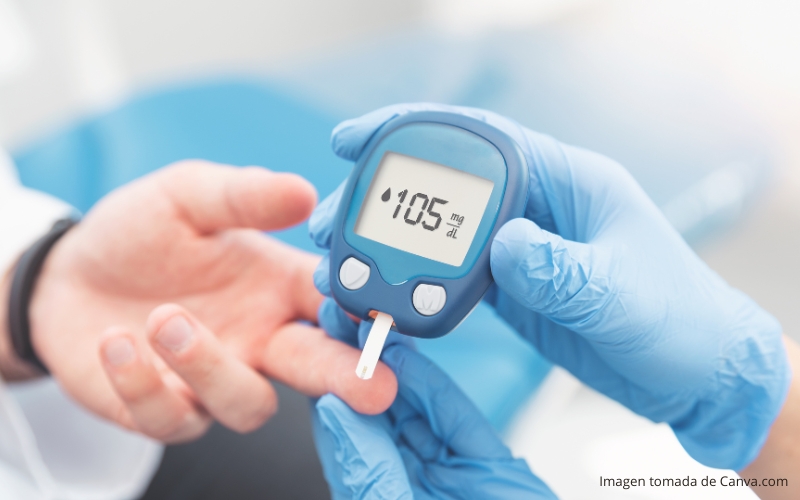
Diabetic neuralgia is a painful complication of diabetes that occurs when high blood sugar levels damage nerves. This damage can cause a variety of symptoms, from tingling and numbness to severe, persistent pain.
What causes diabetic neuralgia?
High blood glucose levels over a prolonged period of time can damage the small blood vessels that supply blood to the nerves. This deprives the nerves of the oxygen and nutrients they need to function properly, leading to diabetic neuropathy.
Symptoms
Symptoms of diabetic neuralgia can vary widely and depend on the nerves affected. Some common symptoms include:
-
- Pain: May be sharp, burning, burning, burning or electric shock type.
- Numbness: Loss of sensation in areas such as feet, hands and fingers.
- Tingling: Sensation of pins and needles.
- Muscle weakness: Loss of strength in the affected muscles.
- Balance and coordination problems: Difficulty walking or performing fine tasks.
Types of diabetic neuralgia
There are several types of diabetic neuropathy, each with its own characteristics:
- Peripheral neuropathy: Affects the nerves of the arms and legs, causing pain, numbness and weakness.
- Autonomic neuropathy: Affects the nerves that control internal organs, which can cause problems with digestion, heart rate and blood pressure.
- Focal neuropathy: Affects a specific nerve, such as the ulnar nerve in the elbow or the sciatic nerve in the lower back.
Treatment
While there is no cure for diabetic neuralgia, there are treatments that can help relieve symptoms and improve quality of life. These include:
- Tight blood glucose control: Maintaining blood sugar levels within a healthy range is critical to prevent further nerve damage.
- Medications: Analgesics, anticonvulsants, and antidepressants can help control pain.
- Physical therapy: Exercises can help strengthen muscles and improve mobility.
- Medical devices: Electrical stimulation devices can help relieve pain.
- Foot care: It is essential to take care of your feet to prevent ulcers and infections.
Prevention
The best way to prevent diabetic neuralgia is to strictly control diabetes. This involves:
-
- Maintain a healthy diet: Eat a balanced diet low in sugar and rich in fruits, vegetables and whole grains.
- Exercise regularly: Physical activity helps control blood sugar levels.
- Maintain a healthy weight: Overweight and obesity can worsen diabetes.
- Regularly monitor blood glucose levels: Perform regular blood glucose checks and follow the treatment plan prescribed by the physician.
If you have diabetes and experience any symptoms of neuropathy, it is important to consult your doctor. Early diagnosis and treatment can help prevent complications and improve your quality of life.